


How does scent affect your mood? Our sense of smell, or olfaction, is one of the most powerful senses we possess. It connects us to memories, flavours, emotions, and even helps us detect dangers like smoke or spoiled food. But have you ever wondered how the olfactory system actually works? Let’s take a closer look at the incredible journey of a scent molecule from the air to your brain, and how it shapes your experience of the world.
The olfactory system is responsible for detecting and interpreting smells. It is intricately connected to the brain and plays a role not just in identifying odours, but also in triggering emotions and memories. This is why certain scents can transport you back to a specific moment in your past or make you feel relaxed and happy.
The process of smelling begins when odour molecules in the air enter your nose or mouth. Here’s a step-by-step breakdown:
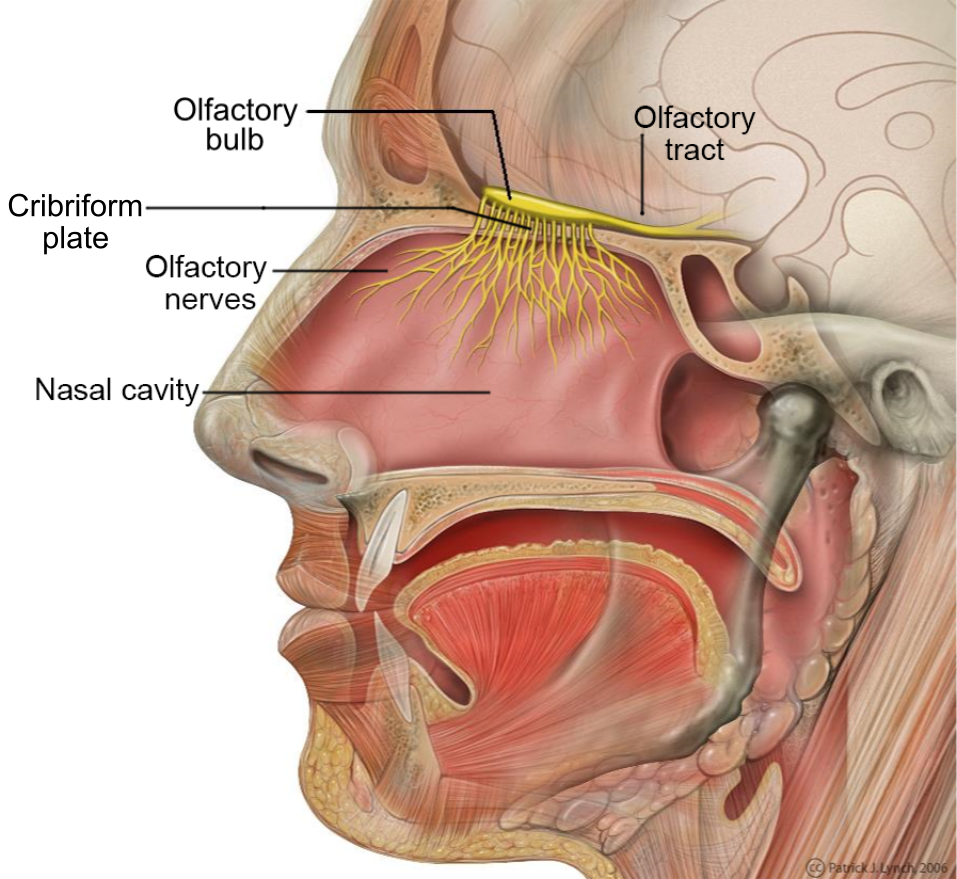
Step 1: Odour Molecules Enter the Nasal Cavity When you breathe in, odour molecules travel into your nasal cavity, a hollow space inside your nose. These molecules can come from food, flowers, perfumes, or countless other sources.
Step 2: Odour Molecules Bind to Receptors Inside the nasal cavity, there’s a patch of specialized tissue called the olfactory epithelium. This tissue contains millions of olfactory receptor neurons. Each neuron has tiny hair-like structures called cilia that are equipped with receptors. These receptors are like locks that can only be opened by specific odour molecules.
When an odour molecule binds to a matching receptor, it triggers a chain reaction, converting the chemical signal into an electrical signal.
Step 3: Signals Travel to the Olfactory Bulb The electrical signals generated by the receptor neurons travel along the olfactory nerve to the olfactory bulb, located just above the nasal cavity. The olfactory bulb acts as a relay station, processing the information and organizing it before sending it deeper into the brain.
Once the olfactory bulb processes the signals, it sends the information to other parts of the brain, including:
The olfactory system isn’t just about enjoying pleasant aromas. It plays a critical role in our survival and well-being. Smells can alert us to dangers, such as gas leaks or spoiled food. They also influence our mental health. For example, certain scents like lavender or sandalwood have calming effects, while others, like citrus, can energize us.
Problems with the olfactory system can lead to conditions like anosmia (loss of smell) or hyposmia (reduced sense of smell). These issues can result from infections, injuries, or neurological diseases like Parkinson’s or Alzheimer’s. Losing the ability to smell can significantly impact quality of life, making it harder to enjoy food, detect danger, or connect emotionally to certain experiences.
The olfactory system is an intricate and essential part of how we experience the world. From detecting danger to enhancing our enjoyment of life, it’s a fascinating and vital sense that bridges our physical surroundings with our emotions and memories. The next time you catch a whiff of something wonderful, take a moment to appreciate the incredible process happening right under your nose—literally!
The sense of smell, or olfaction, plays a significant role in influencing mood and mental health. Scents can evoke emotions, trigger memories, and even affect physiological responses, thereby impacting mental well-being.
Olfactory Perception and Mental Health
Research indicates that olfactory perception is closely linked to mental health. For instance, individuals with depression may experience altered hedonic ratings of smells, perceiving pleasant odors as more pleasant and unpleasant ones as more unpleasant. This suggests a functional bias in brain processing of pleasantness during depressive states.
Moreover, a reduced sense of smell has been associated with feelings of depression and loneliness in older adults, and it may even precede the development of dementia or Alzheimer’s disease.
How does scent affect your mood? Impact of Specific Scents
Certain scents have been studied for their potential psychological effects:
Musk: Musk is a complex scent often used in perfumery. While specific research on musk’s direct impact on mental health is limited, its inclusion in fragrances is intended to provide a warm, grounding effect that may contribute to relaxation and stress relief. The combination of musk with other scents like sandalwood can enhance the overall calming experience.
Psychosensory Therapy
Psychosensory therapy involves using sensory input, including smell, to alter thoughts, mood, and behaviour. The sense of smell is the fastest route to the brain’s limbic system, which governs emotion, making it a powerful tool in influencing emotional states. Aromatherapy, which utilizes essential oils and fragrances, is a form of psychosensory therapy that has been shown to produce modest to significant effects on mood and stress levels.
Explore our range of mood enhancing scents below: